
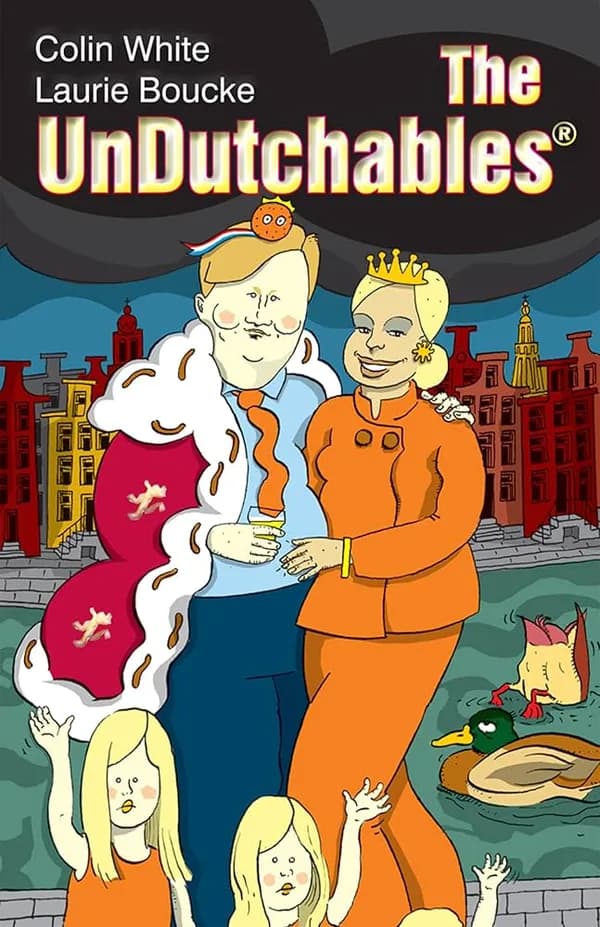
The UnDutchables
by Laurie Boucke, Colin White
Book Club Date:October 2023
📖 Book Summary
*The UnDutchables* is a cultural classic that has been in print for over twenty years and reprinted six times. The author presents the Dutch in unsparing detail: their remarkable ability to "complain loudly" turns out to be the engine that drives social progress. Beyond dismantling stereotypes of wooden shoes and canals, the book delves into how the Dutch, beneath a seemingly leisurely work pace, have built a welfare system the world envies — one where citizens need not worry about basic needs. The book is structured like a quirky census of "Dutch fun facts": from the world's tallest average height, to more bicycles than people, to the perennially controversial "Black Pete" festival. It is not merely a travel guide but a tool for understanding the Dutch from a deeper angle.
✍️ Reading Notes
The most fascinating thing about this book is its exposure of the Dutch trait of being "pragmatic to the point of obsession." For example, Dutch windows are always tall and narrow — not for aesthetics but because land was expensive, and elongating the proportions visually compensated for cramped spaces. Even the "orange carrot" we take for granted was bred by 17th-century Dutch farmers as a tribute to King William of Orange. This logic of tightly fusing politics with daily life, utility with aesthetics, shows how the Dutch reshape the world on their own terms. In transport policy, the Dutch pivot is equally inspiring. In the 1980s they decided to break free from car-driven pollution; leadership pushed to redesign cities into bicycle-friendly environments. Today the country has 22 million bicycles, an average of 1.3 per person. This reality of "more bikes than people" reflects their commitment to equality and sustainability. Regarding food, Dutch children eat chocolate-smothered bread for breakfast and still rank among the world's happiest — perhaps proving that a moderate "sweetener" plus a solid social safety net really can build a high-quality childhood. Yet behind the Dutch pursuit of extreme equality lies a massive cultural contradiction. The annual St. Nicholas festival in December is the prime example. While the familiar "Santa Claus" archetype (Sinterklaas) originates here, his companion "Black Pete" — white people in blackface, gold earrings, and red lips — has ignited serious racial-discrimination controversy in the modern international arena. Facing criticism from the UN and media, the Dutch demonstrated their pragmatic adaptability: they invented "Chimney Pete," a new narrative claiming the face is black from climbing chimneys. This "on-the-spot" repair of an old tradition with a new story perfectly encapsulates Dutch cultural flexibility — and perhaps a touch of whimsy. Finally, the book reminds us that Dutch strength does not come from harmony but from "directness." They are blunt, unafraid of conflict, and the "consensus" reached through copious communication, complaint, and debate actually makes the system more inclusive and resilient.
💬 Discussion Points
- 1The Dutch use "loving to complain" as fuel for progress — a stark contrast to cultures that prize "politeness and restraint." Do you think this kind of transparency around dissatisfaction would boost efficiency in your workplace or life, or would it make relationships harder to maintain?
- 2"Chimney Pete" is the Dutch compromise to preserve a tradition. When an ancient cultural tradition clashes with modern universal values (such as racial equality), should it be abolished outright (as the UN suggests), or should it, like the Dutch approach, be "re-explained" with new meaning?
- 3The Netherlands used policy to drastically reduce car use and boost cycling, trading driving convenience for quieter, greener cities. If this happened where you live, would you give up "the convenience of driving" for "a better living environment"? What do you think is the biggest obstacle to such a change?